


Design Highlights In The Latest Hyundai EV Models
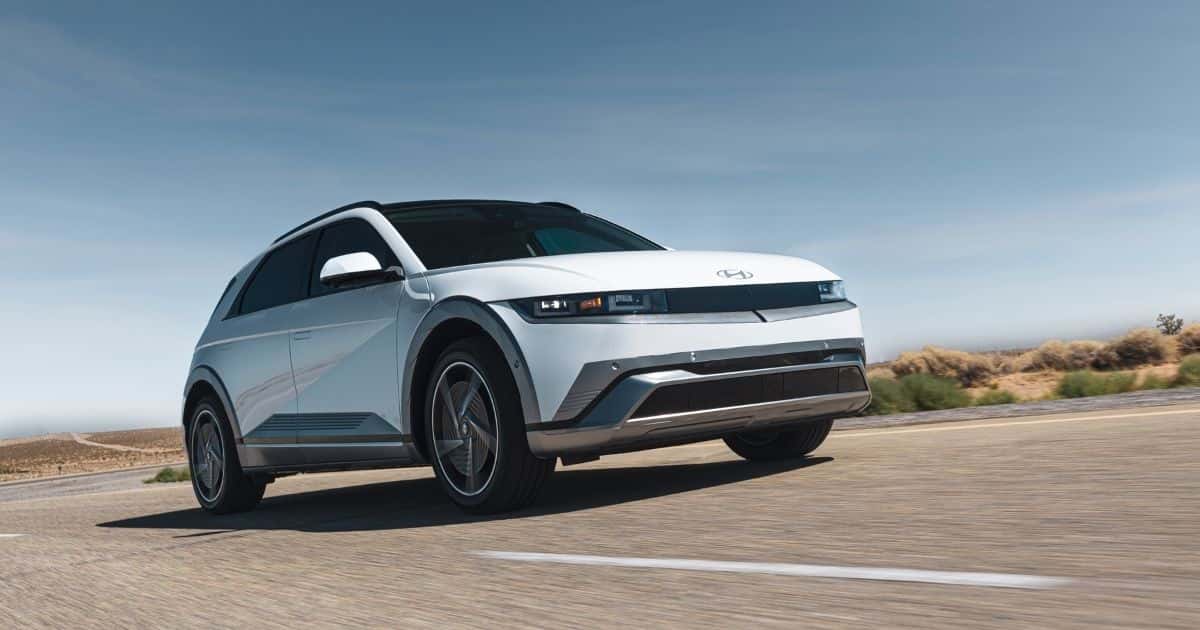
Hyundai has quickly become one of the most talked-about names in the electric space, and much of that attention comes down to design. The new Hyundai electric vehicles in the IONIQ lineup blend bold styling with real-world function, giving Colorado drivers something that looks striking in the driveway and works hard on the road. At McDonald Hyundai in Highlands Ranch, we spend a lot of time helping shoppers understand what actually sets these vehicles apart, and design is almost always where the conversation starts.
This article breaks down the styling and engineering choices that define Hyundai’s newest EVs. We cover the full electric lineup in our main guide, Exploring Hyundai’s Latest Generation of Electric Vehicles, so here we focus on the part shoppers ask about most: how these cars are designed to look, feel, and drive every day.
What Makes Hyundai EV Design Different
Many shoppers ask what actually separates a Hyundai EV from other electric cars on the market. The short answer is intent. Hyundai builds its electric models on a dedicated EV platform rather than adapting a gas vehicle, and that decision influences nearly every design choice, from the wheelbase to the cabin layout.
This dedicated approach gives Hyundai’s designers more freedom. Because the battery sits flat under the floor and the motors are compact, the wheels can be pushed toward the corners of the car. The result is a longer wheelbase, a roomier interior, and a planted, confident stance. Good EV design is not just about looks. It is about using the freedom that electric platforms allow. That philosophy shows up across the IONIQ family.
The Parametric Pixel Signature
One of the most recognizable design cues across new Hyundai EVs is the Parametric Pixel lighting design. These small, cube-shaped light clusters appear in the headlights, taillights, and interior accents, creating a distinctive digital signature that ties the whole lineup together.
Drivers often notice the pixel lights first, and for good reason. They give each vehicle a modern, tech-forward identity that is easy to spot on the road. Beyond style, the design nods to the connection between classic pixel graphics and today’s digital world, which fits Hyundai’s forward-looking approach to electric mobility.
IONIQ 5 Design Highlights
The IONIQ 5 is often described as a car that looks small in photos and surprisingly large in person. That is by design. Its clean, angular body borrows from Hyundai heritage while feeling completely fresh, and its flush door handles and smooth surfaces help it cut through the air efficiently.
Step inside and the design story continues. The flat floor creates a lounge-like cabin with plenty of legroom, and the sliding center console adds real flexibility. The IONIQ 5 uses its electric platform to deliver interior space normally found in much larger vehicles. For families around Highlands Ranch juggling car seats, gear, and weekend trips to the mountains, that open layout makes daily life easier.
| IONIQ 5 Design Feature | What It Delivers |
|---|---|
| Flat floor cabin | Open, flexible interior space |
| Available sliding center console | Adjustable storage and reach |
| Flush door handles | Cleaner look, better aerodynamics |
| Parametric Pixel lights | Signature front and rear styling |
| V2L capability | Power for devices and accessories |
IONIQ 6 Design Highlights
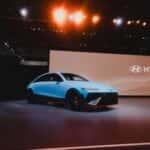 If the IONIQ 5 is bold and boxy, the IONIQ 6 is its sleek, aerodynamic sibling. This electric sedan uses a flowing, streamlined shape that Hyundai calls a “streamliner,” and every curve serves a purpose. The low, tapered roofline and smooth underbody help the car slip through the wind with very little resistance.
Why does this matter to drivers? A more aerodynamic shape helps an EV travel farther on a single charge. For Colorado commuters covering longer distances between Highlands Ranch, Centennial, and the Denver metro area, that efficiency translates into fewer charging stops and more confidence on the highway. Inside, the IONIQ 6 keeps things calm and minimal, with a clean dual-screen layout and thoughtful ambient lighting that makes the cabin feel serene.
| IONIQ 6 Design Element | Purpose |
|---|---|
| Streamliner silhouette | Improved aerodynamic efficiency |
| Low, tapered roofline | Reduced wind resistance |
| Dual-screen dashboard | Clean, driver-focused controls |
| Ambient interior lighting | Calm, customizable cabin feel |
| Aerodynamic wheels | Better range at highway speeds |
IONIQ 9 Design Highlights
The IONIQ 9 brings Hyundai’s electric design language to a three-row SUV, and it does so with presence. Its rounded, aerodynamic body softens the bulk you might expect from a large SUV, while the pixel lighting keeps it clearly part of the IONIQ family. The overall look is smooth and confident rather than aggressive.
Families are the clear focus here. The IONIQ 9 is designed to carry more people and cargo without sacrificing the quiet, spacious feel that defines Hyundai EVs. The long wheelbase opens up genuine third-row room, and the flat floor makes the interior feel airy. For local buyers who need space for kids, gear, and road trips, this is Hyundai’s most versatile electric option to date.
Interior Comfort And Flexibility
Inside the IONIQ 9, the design leans into comfort. Seating can be configured for different needs, and the cabin uses sustainable materials that feel premium without being flashy. Storage is thoughtful, with usable spaces throughout the vehicle.
The cabin also reflects a broader trend in Hyundai EV design, which is treating the interior as a living space. Because electric drivetrains are quiet, designers can focus on comfort, calm, and connection rather than masking engine noise. That shift is easy to appreciate on a long drive along the Front Range.
Aerodynamics And Efficiency In Everyday Design
A common question we hear is whether all the sleek styling actually does anything. It does. Aerodynamic design reduces the energy an EV needs to overcome wind resistance, which directly improves driving range. Small details like flush handles, smooth wheels, and sculpted underbodies add up to meaningful gains.
For Colorado drivers, efficient design has practical value. Elevation changes, highway commutes, and cold winter mornings all place demands on an electric vehicle. Smart aerodynamic choices help these EVs make the most of every charge, which matters when you are covering ground across Highlands Ranch, Littleton, Lone Tree, and beyond.
| Design Detail | Efficiency Benefit |
|---|---|
| Flush door handles | Smoother airflow |
| Aerodynamic wheel design | Less drag at speed |
| Sculpted underbody | Reduced turbulence |
| Low drag coefficient | Extended driving range |
Technology That Shapes The Design
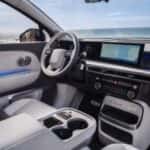 Design and technology work hand in hand in the newest Hyundai EVs. The dashboards use wide, connected displays that keep information easy to read, while physical controls remain for the functions drivers use most. This balance keeps the cabins modern without feeling overwhelming.
One standout feature is Vehicle-to-Load (V2L), which lets these EVs power outside devices using the car’s battery. V2L turns the vehicle into a mobile power source for camping gear, tools, or electronics. It is a practical example of how thoughtful design adds real value beyond styling, and it fits the active Colorado lifestyle well.
Safety Design Built In From The Start
Safety is designed into these vehicles rather than added on later. The low battery placement lowers the center of gravity, which improves stability, and the platform is engineered with strong structures to protect occupants. A lower center of gravity helps an EV feel steady and balanced during turns and sudden maneuvers.
Hyundai also equips its EVs with a wide range of driver-assistance features. These systems support the driver during everyday tasks like highway cruising, parking, and lane keeping, adding a layer of confidence for local families.
| Safety Design Element | Benefit |
|---|---|
| Low battery placement | Improved stability and handling |
| Reinforced platform structure | Strong occupant protection |
| Driver-assistance systems | Support during daily driving |
| Wide sensor coverage | Better awareness around the vehicle |
Choosing The Right Hyundai EV At McDonald Hyundai
With three distinct designs to consider, the right choice often comes down to lifestyle. The IONIQ 5 suits drivers who want versatility, the IONIQ 6 fits those focused on efficiency and style, and the IONIQ 9 serves families who need space. Each one carries the same core design philosophy while meeting a different need.
Our team at McDonald Hyundai in Highlands Ranch works with drivers across the Denver area every day, and we are happy to walk you through these models in person. Seeing the pixel lighting, sitting in the flat-floor cabin, and feeling the interior space often makes the design choices click. When you are ready, we invite you to explore our electric inventory, schedule a test drive, or ask our team any questions about the lineup.
| Model | Best For | Body Style |
|---|---|---|
| IONIQ 5 | Flexible daily driving | Crossover |
| IONIQ 6 | Efficiency and range | Sedan |
| IONIQ 9 | Families and cargo | Three-row SUV |

0 comment(s) so far on Design Highlights In The Latest Hyundai EV Models