


Factory Recommended Service vs. Real-World Needs
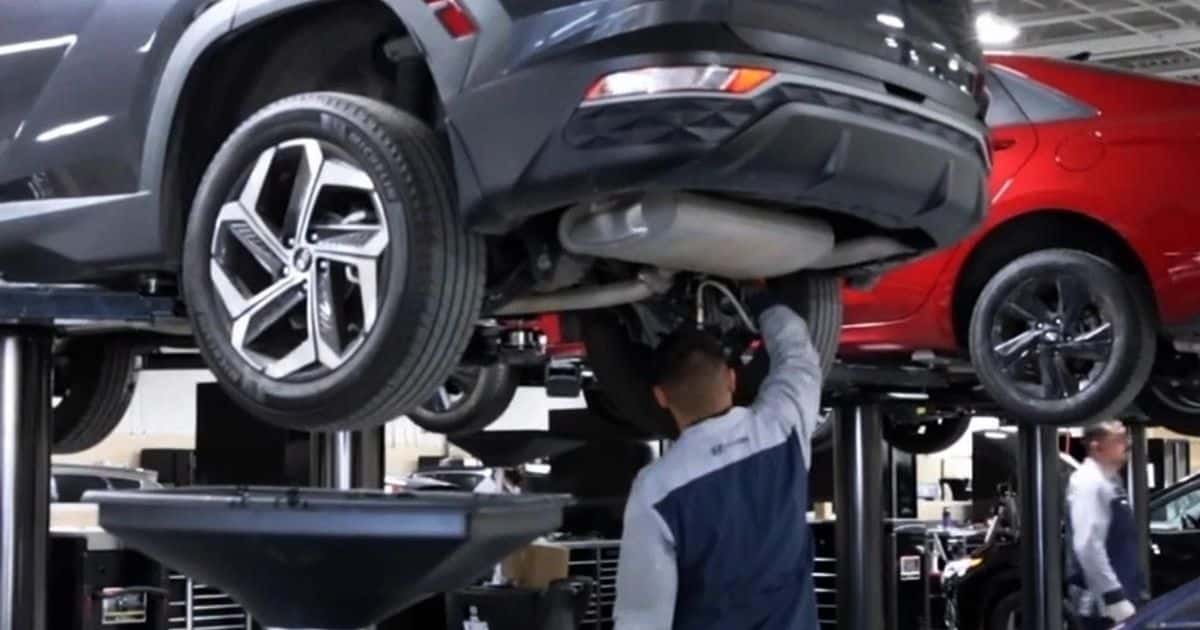
The Hyundai service maintenance schedule offers a helpful baseline for keeping your vehicle in good condition. The guide outlines when to perform key services, such as oil changes, filter replacements, and inspections. But real-world driving, especially in a place like Highlands Ranch, doesn’t always match factory schedules.
At McDonald Hyundai, we often help customers understand how to balance factory guidance with real-life usage. Whether you drive mainly in the city or frequently hit mountain roads, your vehicle’s actual service needs can differ from the printed manual. Let’s explore why and how to make informed decisions that protect your Hyundai investment.
What Is the Purpose of a Factory Maintenance Schedule?
The factory maintenance schedule reflects standardized service intervals designed during vehicle development. It outlines mileage-based recommendations for things like engine oil changes, tire rotations, brake inspections, and fluid top-offs. These schedules typically assume average driving conditions.
For example, Hyundai recommends changing your Elantra’s oil every 7,500 miles and rotating the tires every 5,000 miles depending on your model. But do these numbers apply if your vehicle handles stop-and-go traffic daily, or if you frequently take long trips into the mountains? This situation leads many Hyundai owners to ask, “Should I always follow the factory schedule?” While the answer depends on how and where you drive, understanding the logic behind the schedule is a great starting point.
How Real-World Driving Conditions Affect Service Needs
Colorado’s unique climate and terrain mean many vehicles experience “severe driving conditions” without realizing it. These include frequent short trips, high-altitude driving, heavy traffic, or extreme temperatures.
When these conditions are present, vehicle parts and fluids can wear out faster than the factory timeline assumes. For instance, brake pads might require inspection sooner, and fluids like coolant or transmission fluid might degrade more quickly. So while the factory maintenance schedule is helpful, it’s not one-size-fits-all. At McDonald Hyundai, we guide our clients in assessing whether their driving habits may require adjusted service intervals.
Some Hyundai owners wonder, “Can I extend my service intervals with synthetic oil?” While synthetic oil may last longer, it still needs to be checked regularly. Mileage is only part of the equation; engine load, environment, and driving frequency all play a role.
Key Differences Between Factory Guidelines and Practical Reality
 One of the most common examples of this difference shows up with oil changes. While factory intervals may suggest every 7,500 to 10,000 miles for newer models, Hyundai drivers in hilly terrain or harsh winters may benefit from changing oil every 5,000 miles instead.
Similarly, cabin air filters may last longer under ideal conditions but may clog more quickly in dusty or urban environments. Experts recommend brake inspections every 15,000 miles, but frequent traffic or hilly driving may make more frequent checks essential.
Drivers often ask, “What services should I prioritize if I can’t follow everything?” A good rule of thumb is to focus on the components most affected by your environment: engine oil, filters, tires, and brakes.
We also advise keeping an eye on tire wear and rotation. Uneven surfaces and frequent elevation changes can affect tread wear patterns, which makes regular tire rotation and alignment checks even more critical in areas like Highlands Ranch.
Building a Maintenance Plan Based on Your Driving Habits
At McDonald Hyundai, we recommend customizing your plan based on these factors:
- Daily mileage and terrain: Are you mostly commuting locally or heading into the mountains?
- Traffic patterns: Do you face stop-and-go congestion or longer highway drives?
- Weather conditions: Winters in Colorado can be harsh on batteries and tires.
- Vehicle type and age: A hybrid Sonata may have different needs than a Tucson SUV.
One customer might come in asking, “Why does my SUV need new brakes already when I followed the schedule?” The answer often lies in frequent city driving, which puts greater stress on braking systems than rural or highway driving.
Noting these habits helps our service team provide more accurate service timelines for services such as brake flushes, coolant checks, and timing belt replacements. This approach ensures your car receives what it needs, no more, no less.
Why Preventive Maintenance Always Pays Off
Preventive care not only avoids costly repairs but also boosts vehicle longevity and performance. Waiting until a warning light turns on may cost more in the long run.
For instance, something as simple as checking your battery twice a year can prevent unexpected breakdowns during winter. Likewise, timely flushing of fluids prevents internal components from corroding or overheating.
We often hear, “Is it really necessary to inspect my transmission fluid?” Yes, especially if you regularly tow, climb steep grades, or drive in extreme heat or cold. These actions put extra pressure on drivetrain components, making routine checks even more valuable. Investing in consistent, well-timed service often means better fuel efficiency, fewer emergency repairs, and higher resale value.
When to Stick to the Schedule and When to Adjust
 We advise following the factory maintenance schedule as a foundation, but modifying it based on your driving environment. If you’ve just purchased a new Hyundai, starting with scheduled visits is a smart way to keep the factory warranty intact.
However, for vehicles with more mileage or more demanding usage, we recommend working with a trusted service advisor. They can assess wear patterns and recommend any deviations based on experience and inspection. Customers often ask, “Will going off the schedule void my warranty?” Not necessarily. As long as you maintain the vehicle properly and keep records, you’re protected. In fact, documenting enhanced care under severe conditions may demonstrate even more responsibility.
Talk to a Service Advisor Who Knows Local Driving Needs
Local knowledge makes a difference. The McDonald Hyundai Service Center has years of experience serving drivers in Highlands Ranch and surrounding areas like Castle Rock and Littleton.
We’re familiar with how elevation, climate, and daily commutes affect each model. Our factory-trained technicians provide inspections and guidance that go beyond what the manual says. If you’re unsure whether it’s time for your next visit, our team can evaluate your vehicle’s condition and help you build a plan that fits both Hyundai’s standards and your lifestyle.
Final Thoughts on Hyundai Service Planning
Understanding the difference between factory service timelines and real-world wear can help you make better decisions about your Hyundai’s care. The printed schedule is only part of the story; how and where you drive fills in the rest.
Let McDonald Hyundai help you find the right balance. Our service advisors are ready to tailor a plan for your driving habits, climate, and vehicle model. Protect your investment and drive with confidence in every season. Schedule your next service at McDonald Hyundai in Highlands Ranch. Let our expert team help you align your vehicle’s needs with your driving routine, whether that means sticking to the manual or going a step beyond.

0 comment(s) so far on Factory Recommended Service vs. Real-World Needs